
My journey ends here...
HOHENBERG Margaret
Date of birth : December 28, 1898, Hungary.
Addresses
1940 : 808 West End Avenue, New York (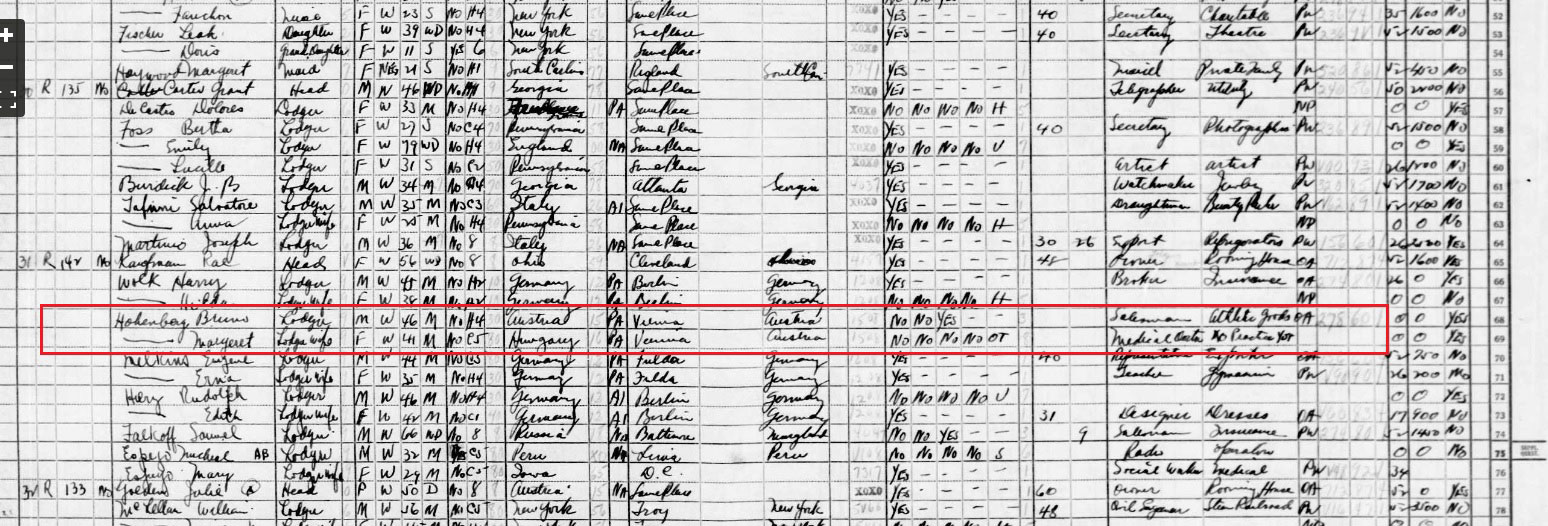 ).
).
1942 : 155 East, 93rd Street,
New York City (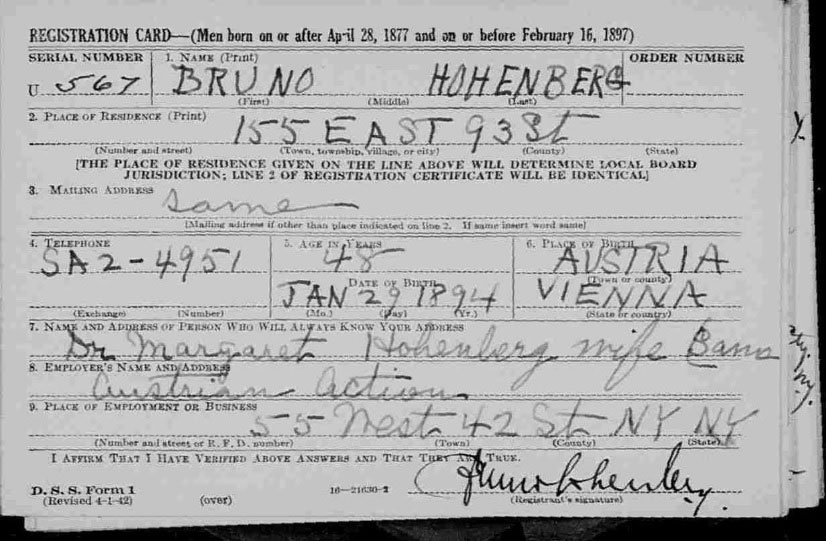 ).
).
Address of her office : 155 East, 93rd Street,
New York City : 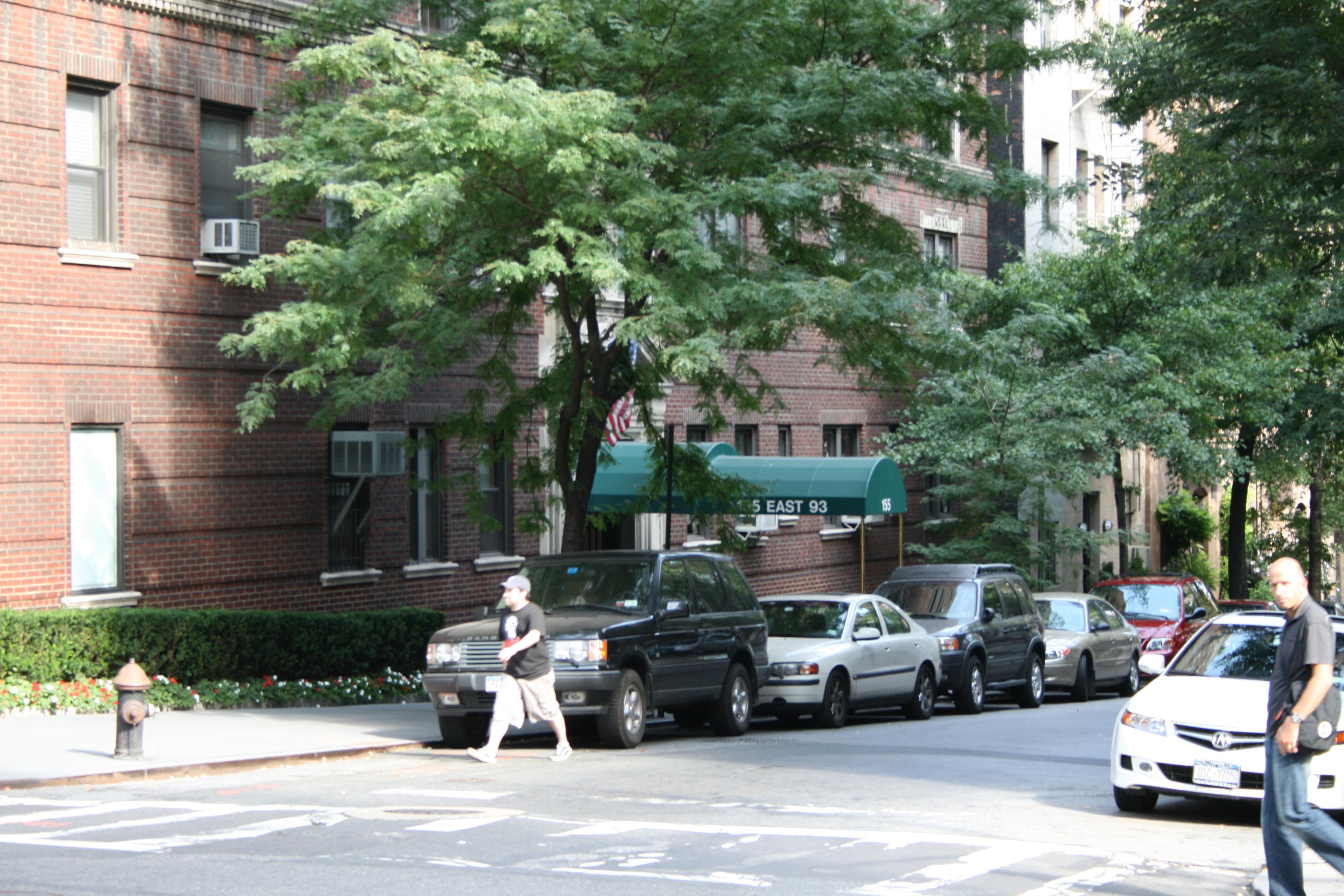 ,
,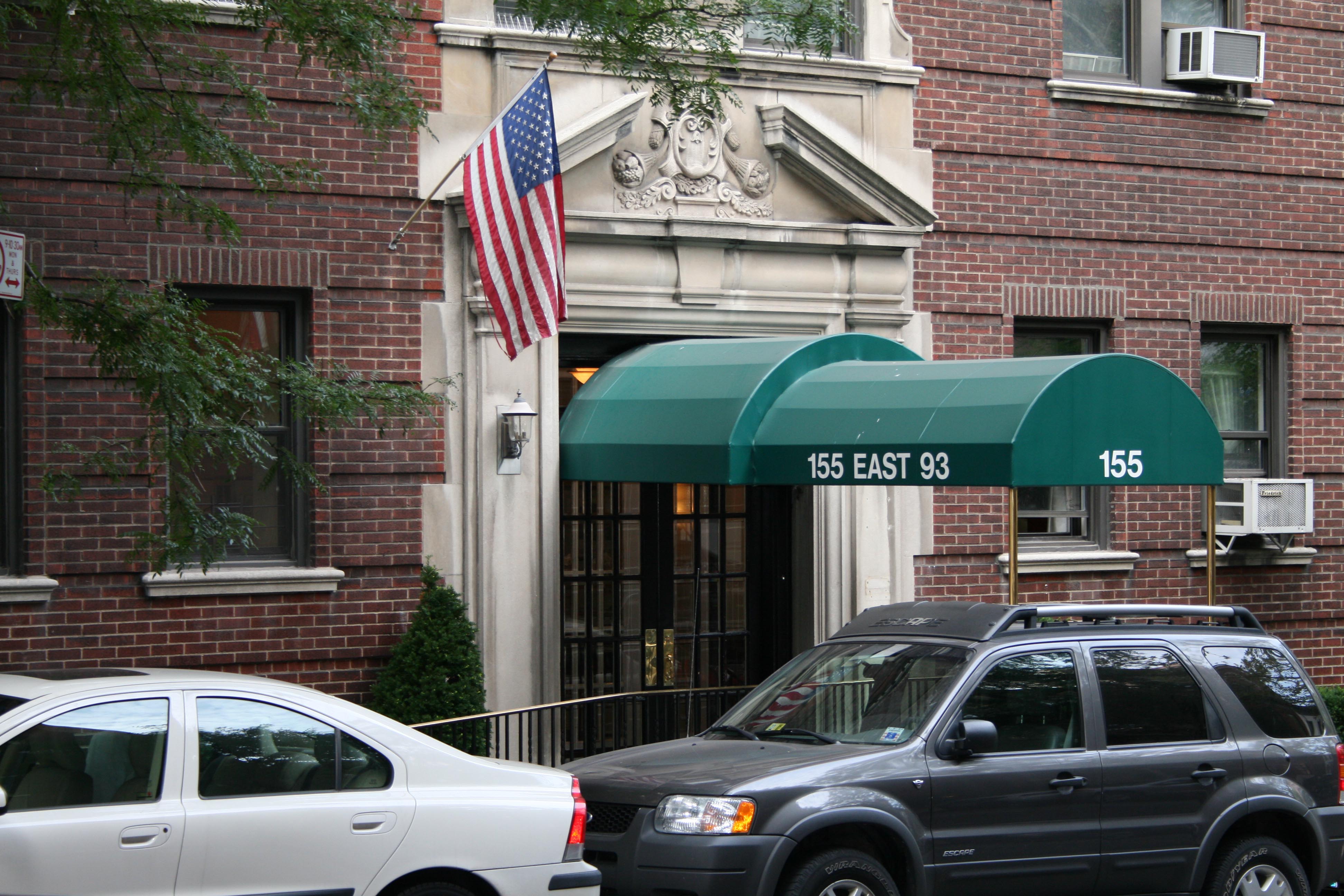 .
.
Profession Freudian psychoanalyst.
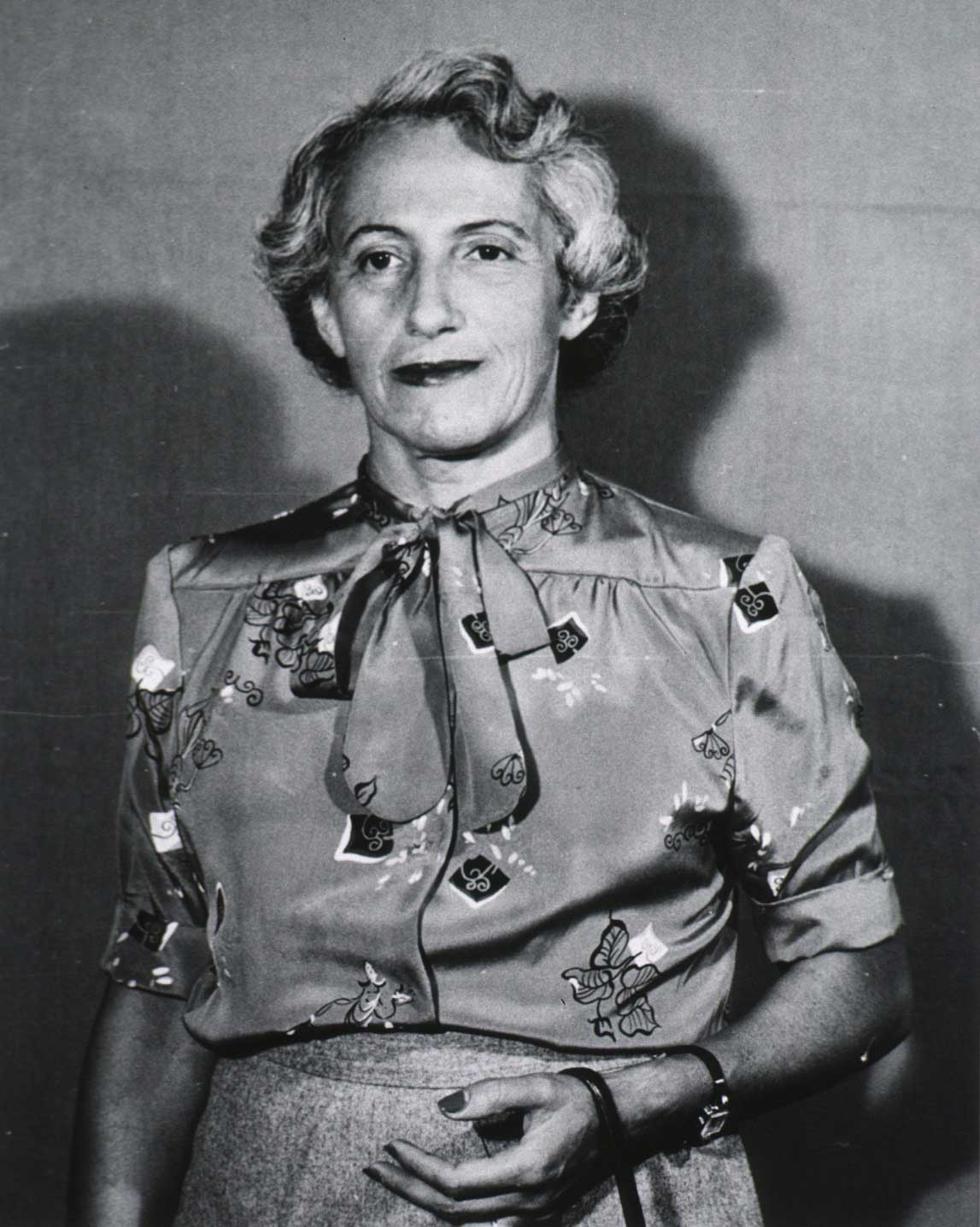
Portrait  ,
, ,
,
Story
Her father Alfred Herz (born in 1862, Hungary) was a military doctor and her mother was Ilka Ferbstein (born on August 14, 1874, Hungary).
From 1923, she
specialized in neurology and psychiatry. She wrote an etude about the
link between the psychiatric illness and the housing crisis.
In 1925 she graduated in medicine at the Vienna University.
A year before, she had began an analysis with Eduard Hitschmann and in 1925, she became member of the
Viennese Psychoanalytic Union. She worked at the Auditorium (Training
Institute of Psychoanalysts) and at the Viennese Society of
Psychoanalysis (WPS).
She followed her psychoanalysis with Robert Hans Jokl.
From 1926 to 1930,
she worked as a psychiatrist at the psychiatric hospital Steinhof in Vienna, then joined
the neurolgy department of the Maria-Theresien-Schlössel hospital.
From 1935 to 1938 (the date of the banning of exercise for the Jew doctors), she had her own neurology and psychoanalysis office.
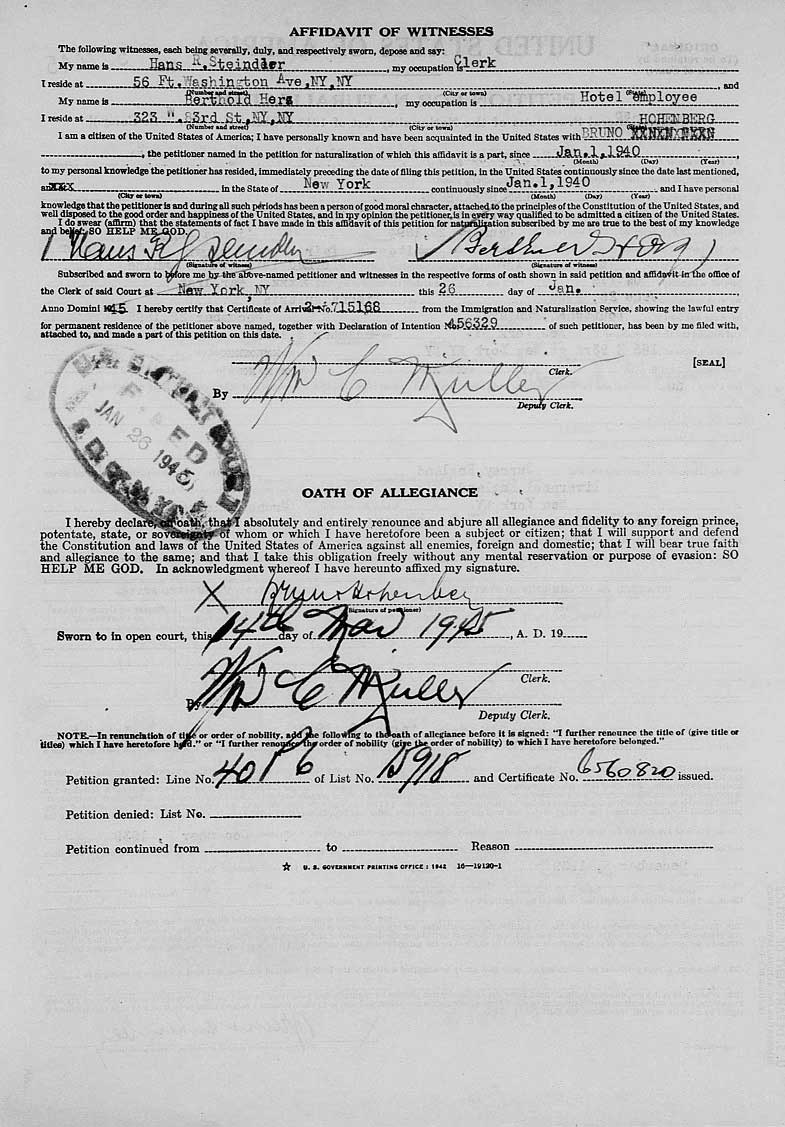
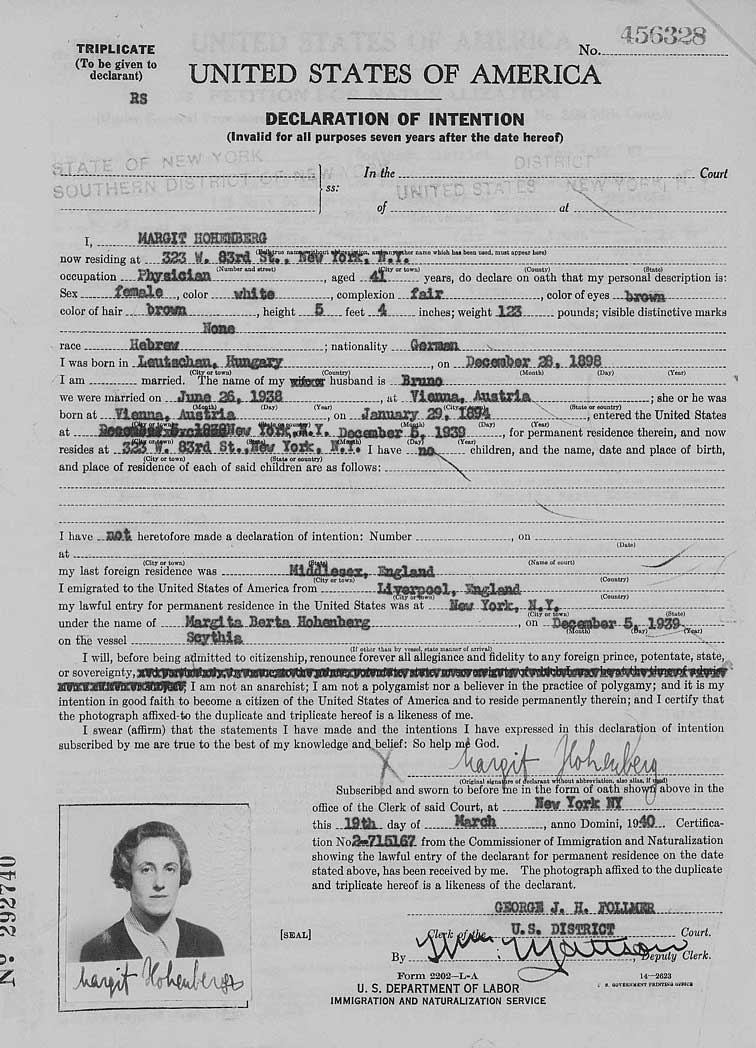
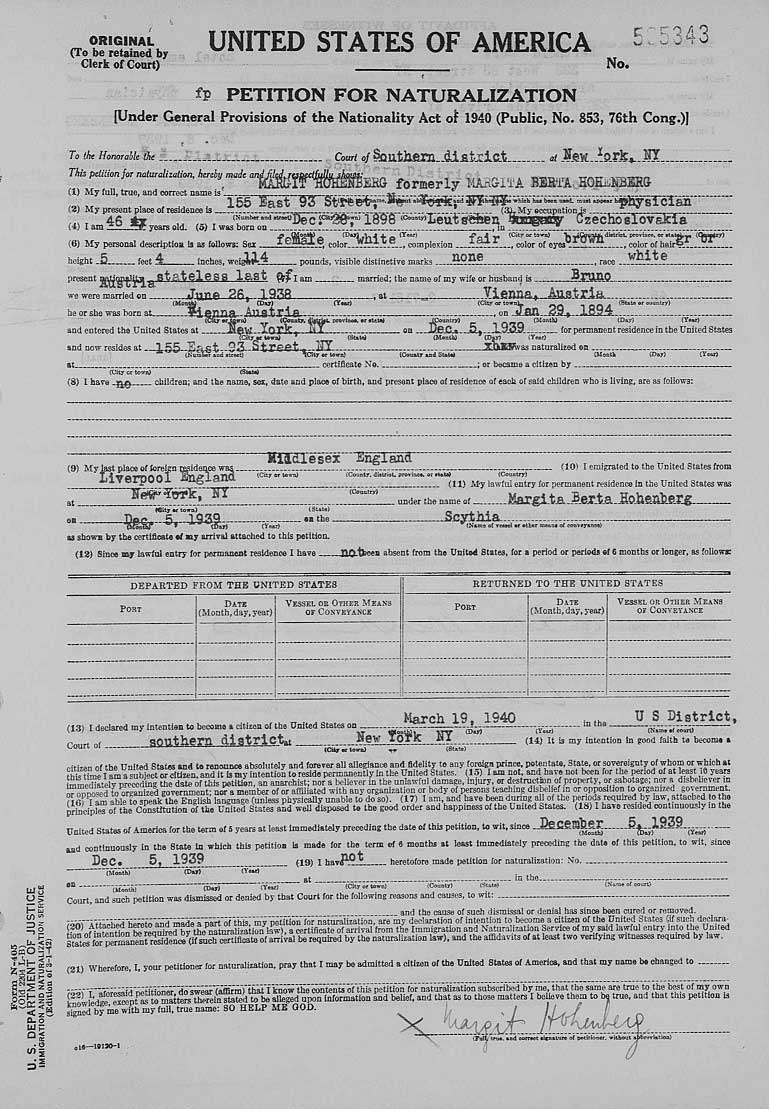
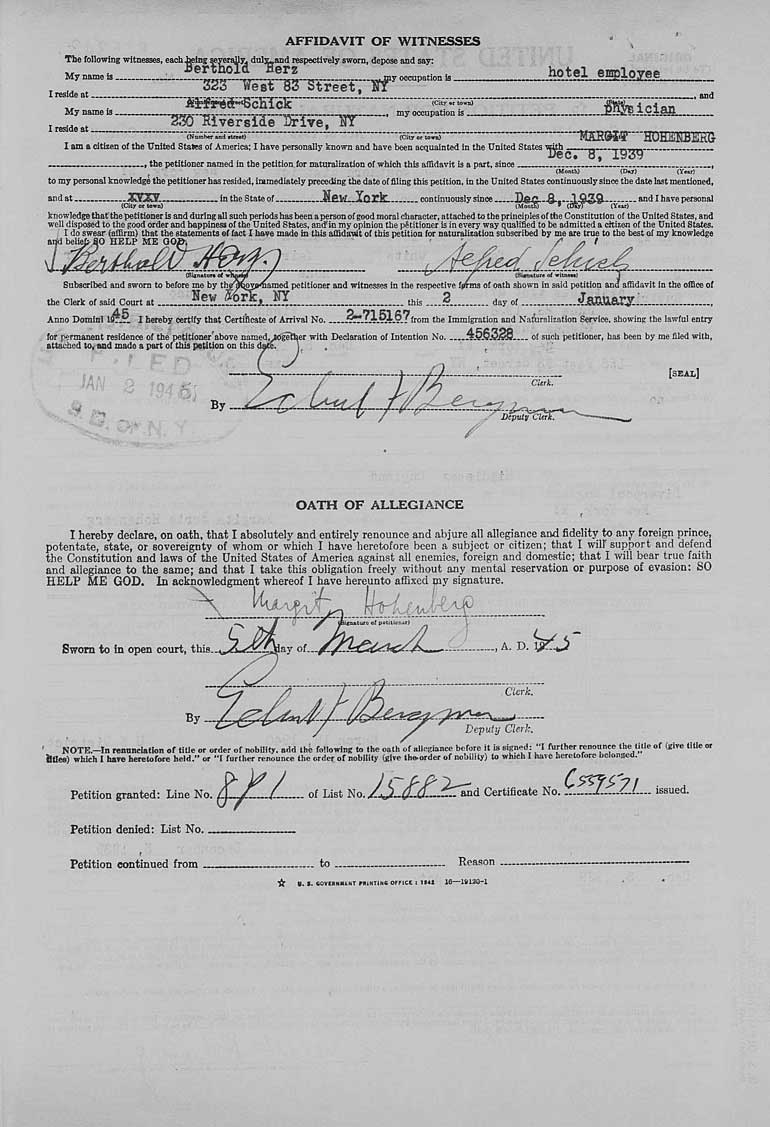
On June 28, 1938, after the incorporation of Austria by Germany, she married Bruno Hohenberg (January 29,
1894, Vienna, Austria-March 22, 1954, New York)(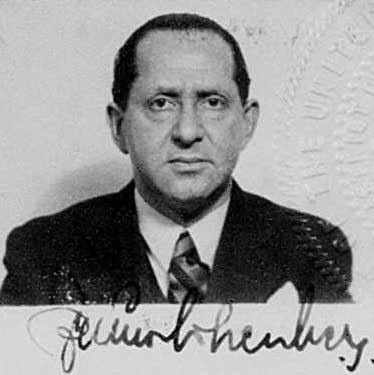 ).
).
They emigrated to London then, a year later, in 1939, to the USA (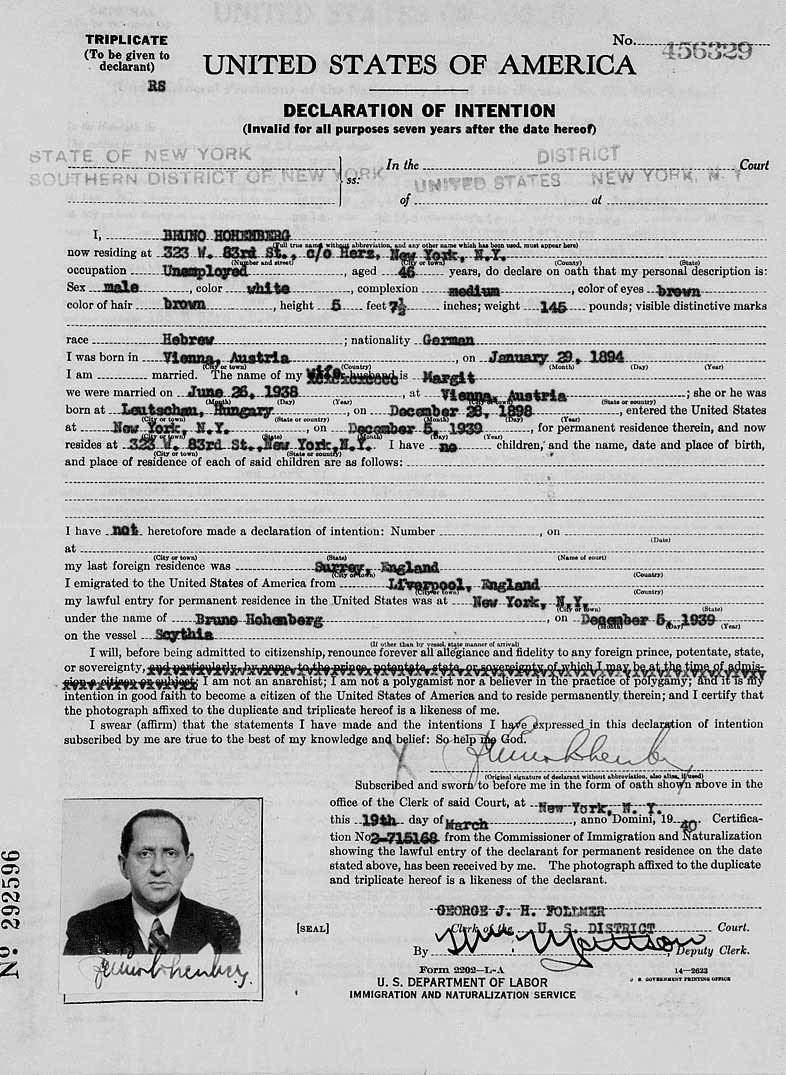 ,
,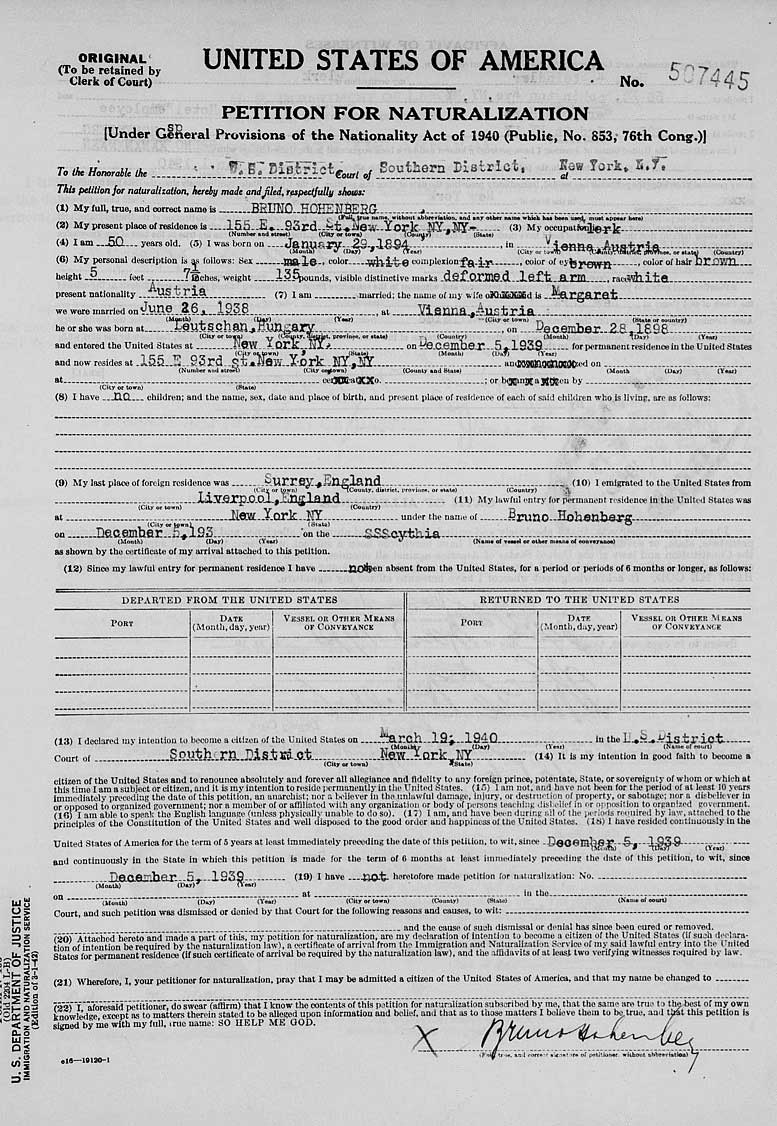 ,
, ;
;
 ,
, ,
, ).
).
In 1946, in New York City, she became member of the Psychoanalysis Society and opened her own psychoanalytical office.
After her husband's death, she went to Israel where she worked from 1959 to 1964 in Haifa.
In 1988, she definitely settled dowin in New York where she lived until her death.
Link with Marilyn
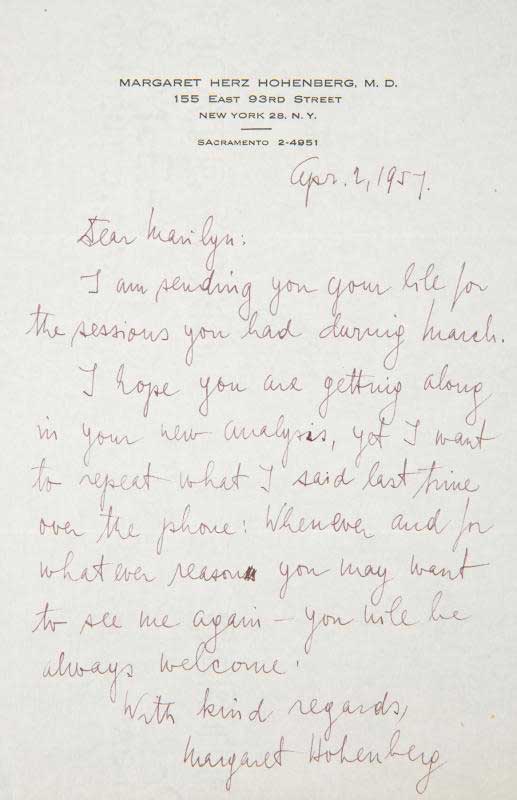
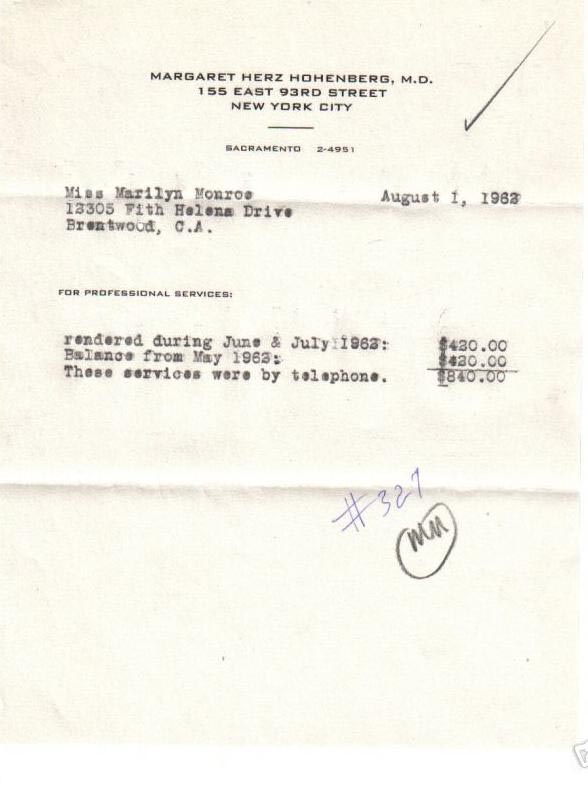
In February 1955 Marilyn began to attend her office on Milton Greene's advice, who had been one of her patients.
She had 3 to 5 sessions a week. During those sessions, Marilyn tried to accept the traumas of her childhood, her lack of self-esteem, her obsessional search of the others approval, her inabaility to establish lasting friendships and her fear to be abandoned.
Marilyn was enthusiastic about the idea of doing an analytical work, because Lee Strasberg considered this approach as an essential precondition to the exercise of the actor profession, bound to "free" the person and to make her available for the Method.Between 1955 and 1957 Margaret Hohenberg had a great influence on Marilyn.
Milton Greene had to obtain Dr Hohenberg's consent or to consult her for professional or legal problems.
She flew to England, in Summer 1956, to rescue Marilyn, depressive, on the set of "The Prince and The
Showgirl" (1957)( ).
).

Marilyn stopped to consult her, at the beginning of 1957, shortly after the break-up with her associate, Milton Greene.
Donald Spoto
wrote that Margaret Hohenberg would later say to Milton Greene that he
had made a terrible mistake by being in partnership with Marilyn.
 BACK TO INDEX
NEXT FILE
BACK TO INDEX
NEXT FILE