
My journey ends here...
ORPHANAGE
 ,
, ,
, ,
, ,
,
Pictures at 615 North El Centro
 ,
, ;
; ,
, ,
, ;
; ;
;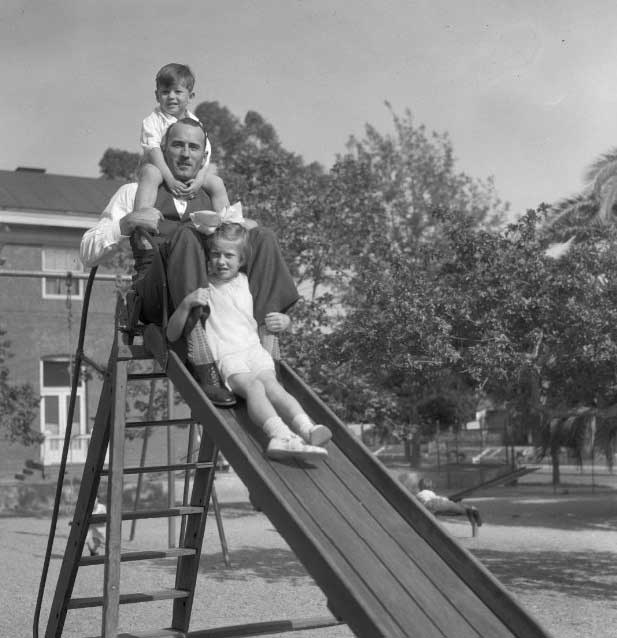 ;
;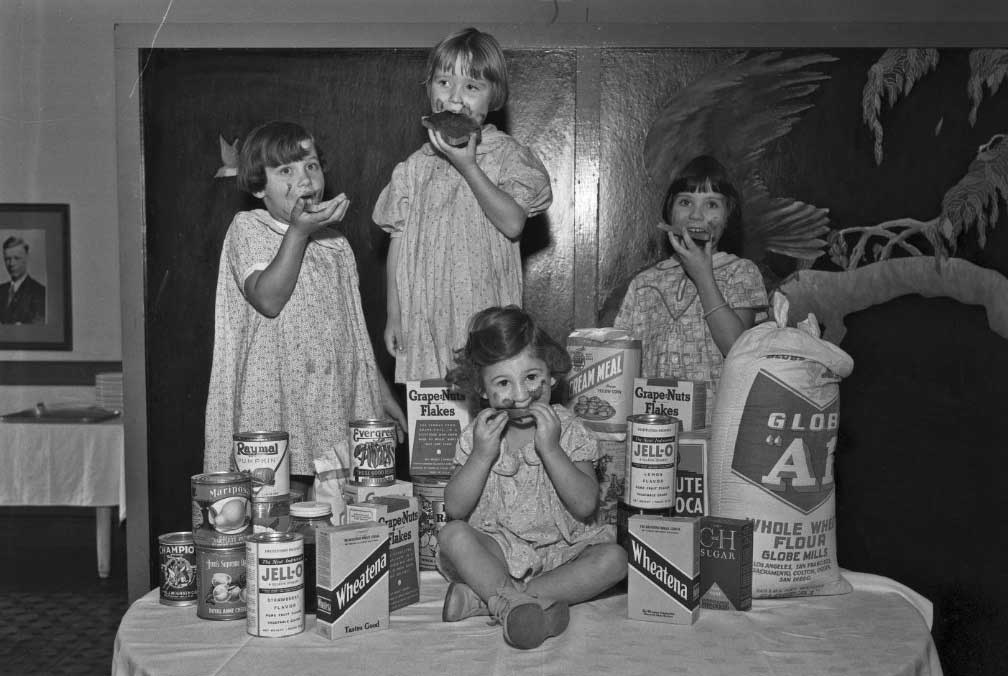 -
-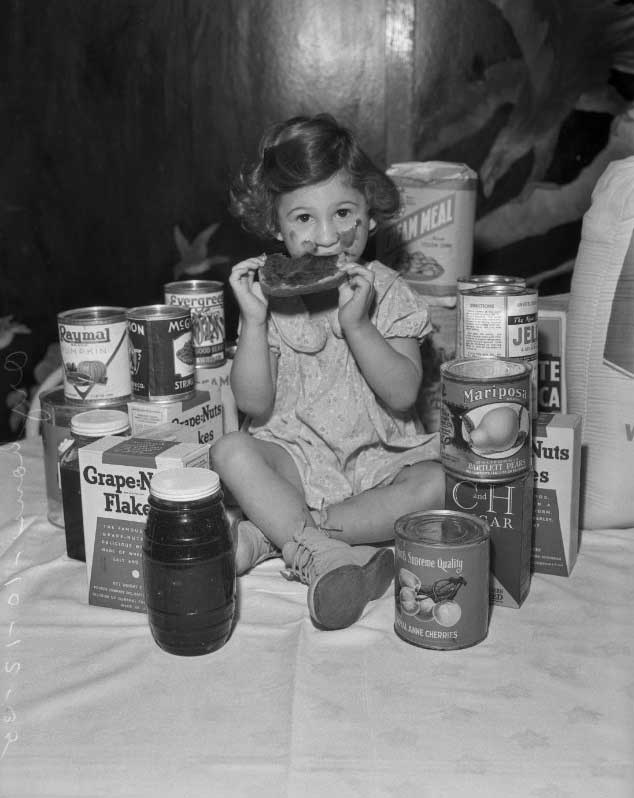 ;
; ,
,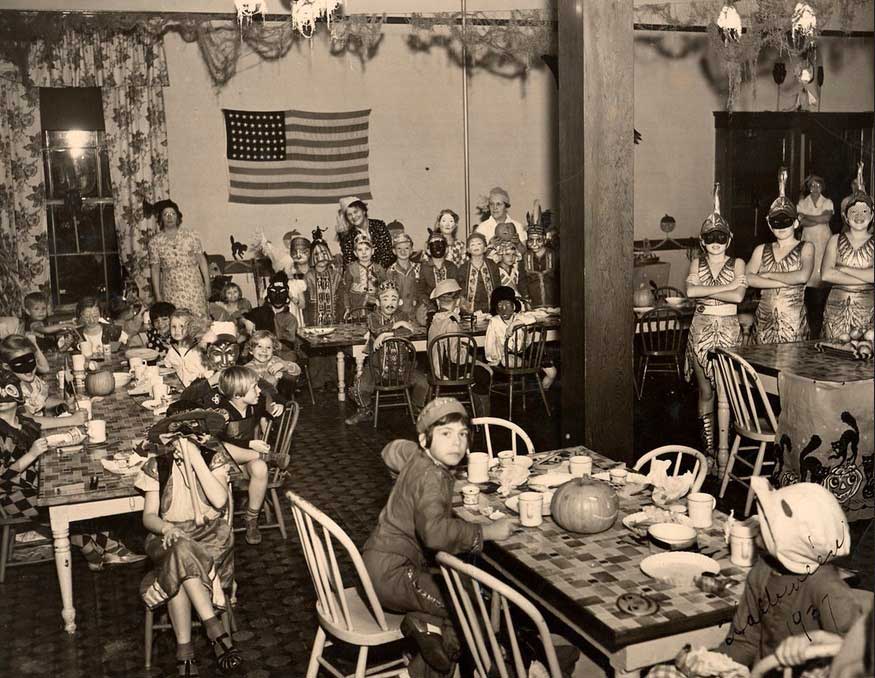 -
-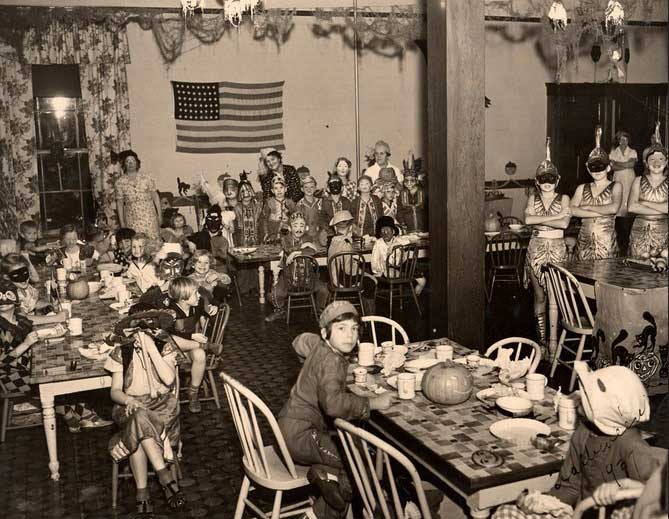 ,
, ,
,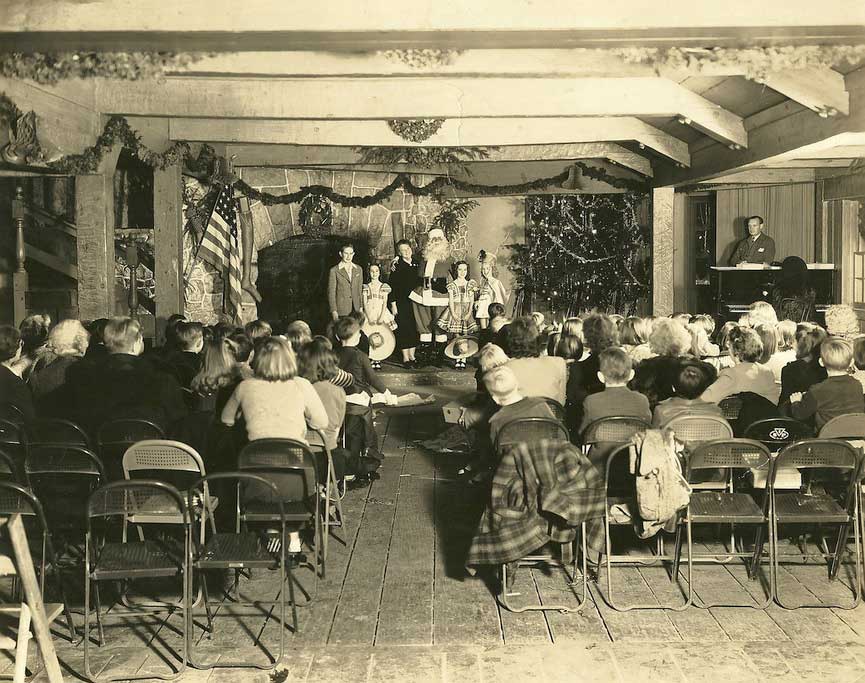 -
-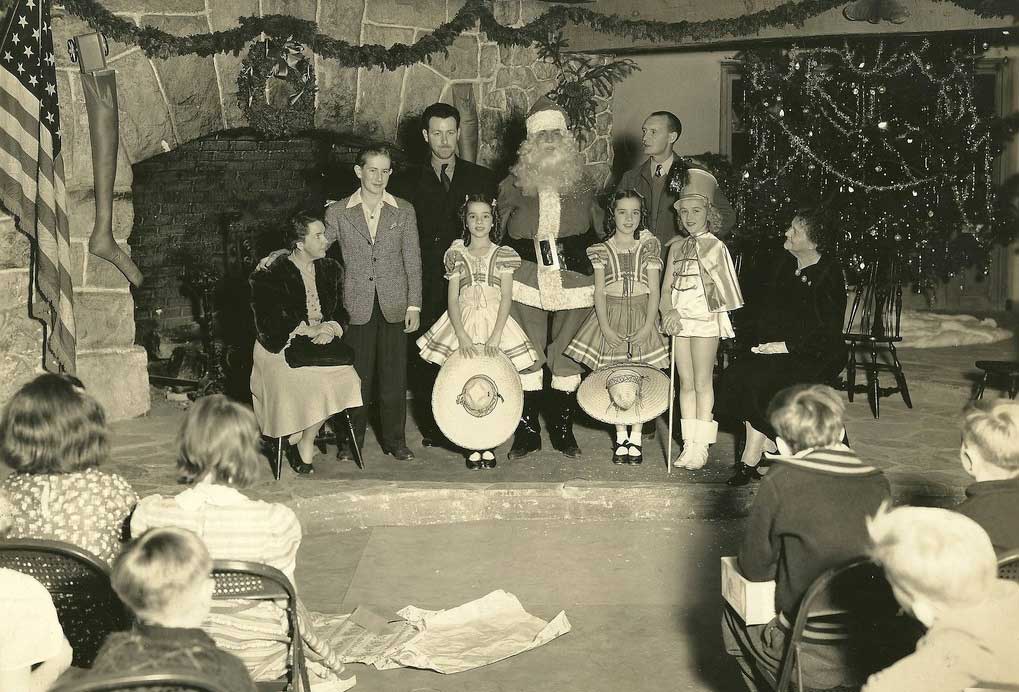 ,
,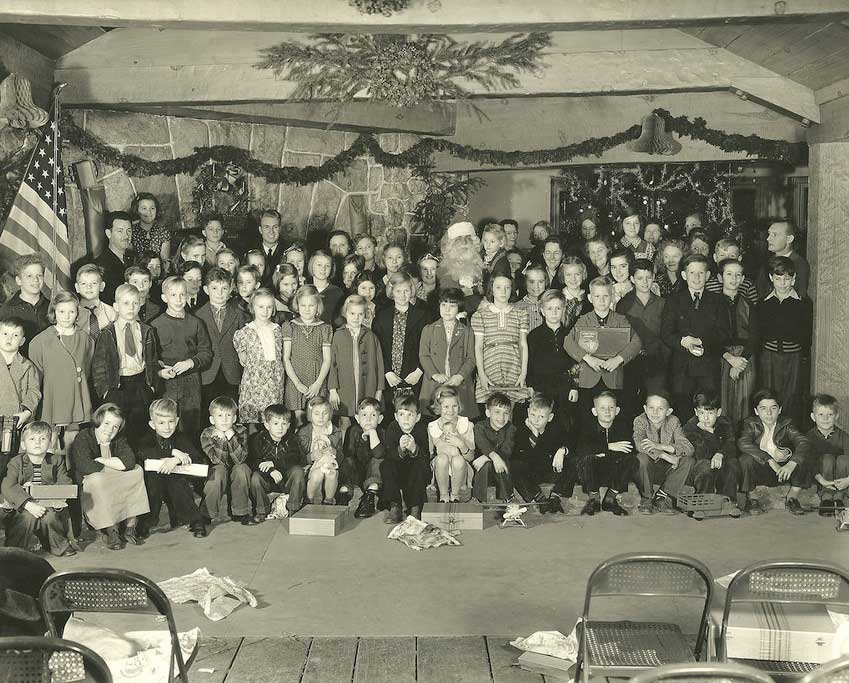 ;
;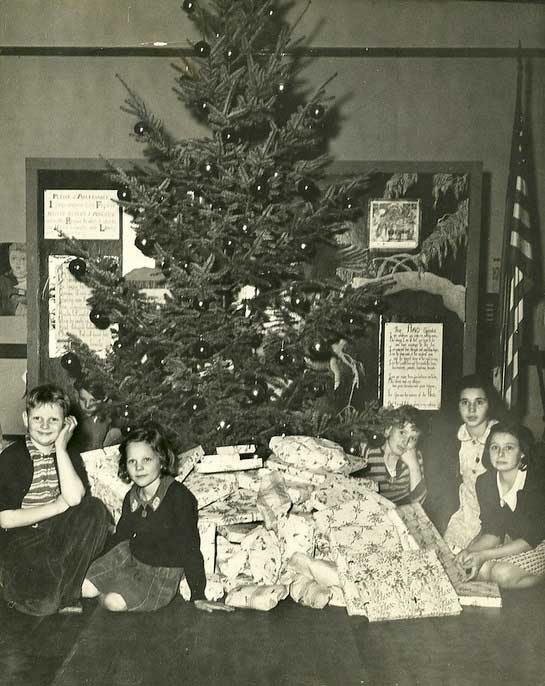 ;
;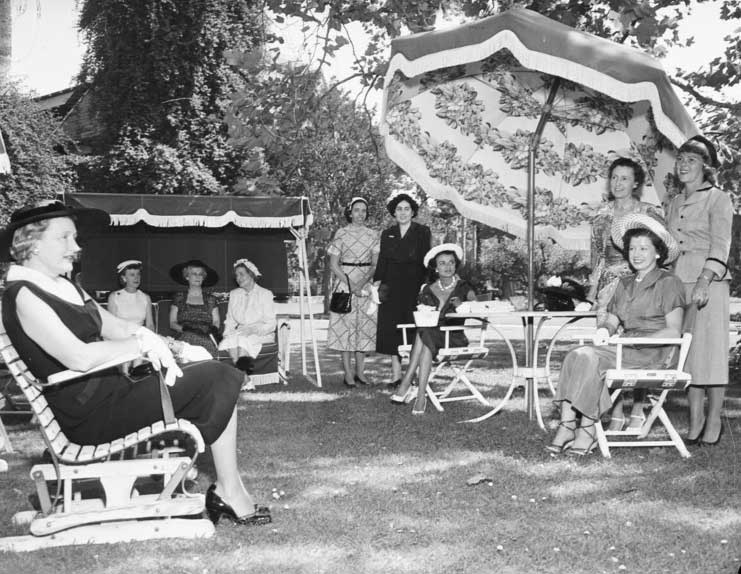 ,
,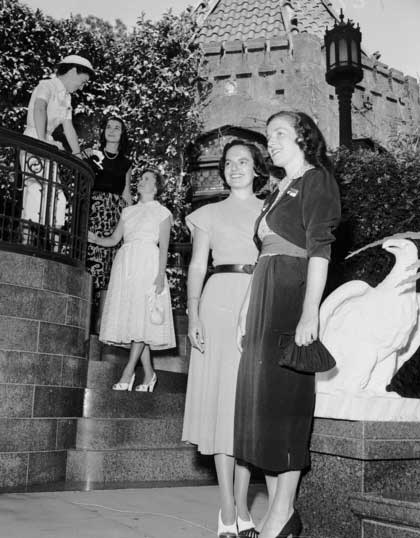 ;
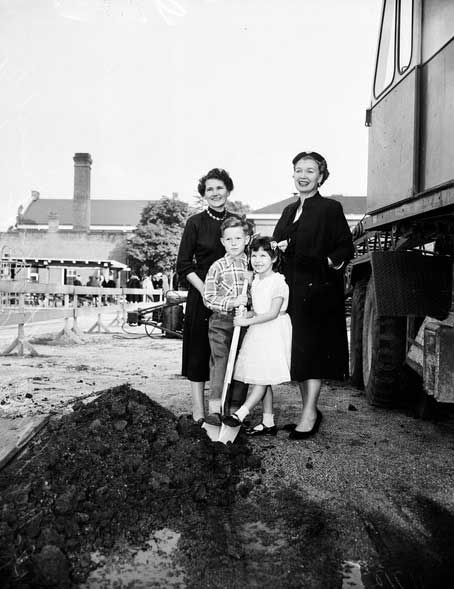
;
Link with Marilyn
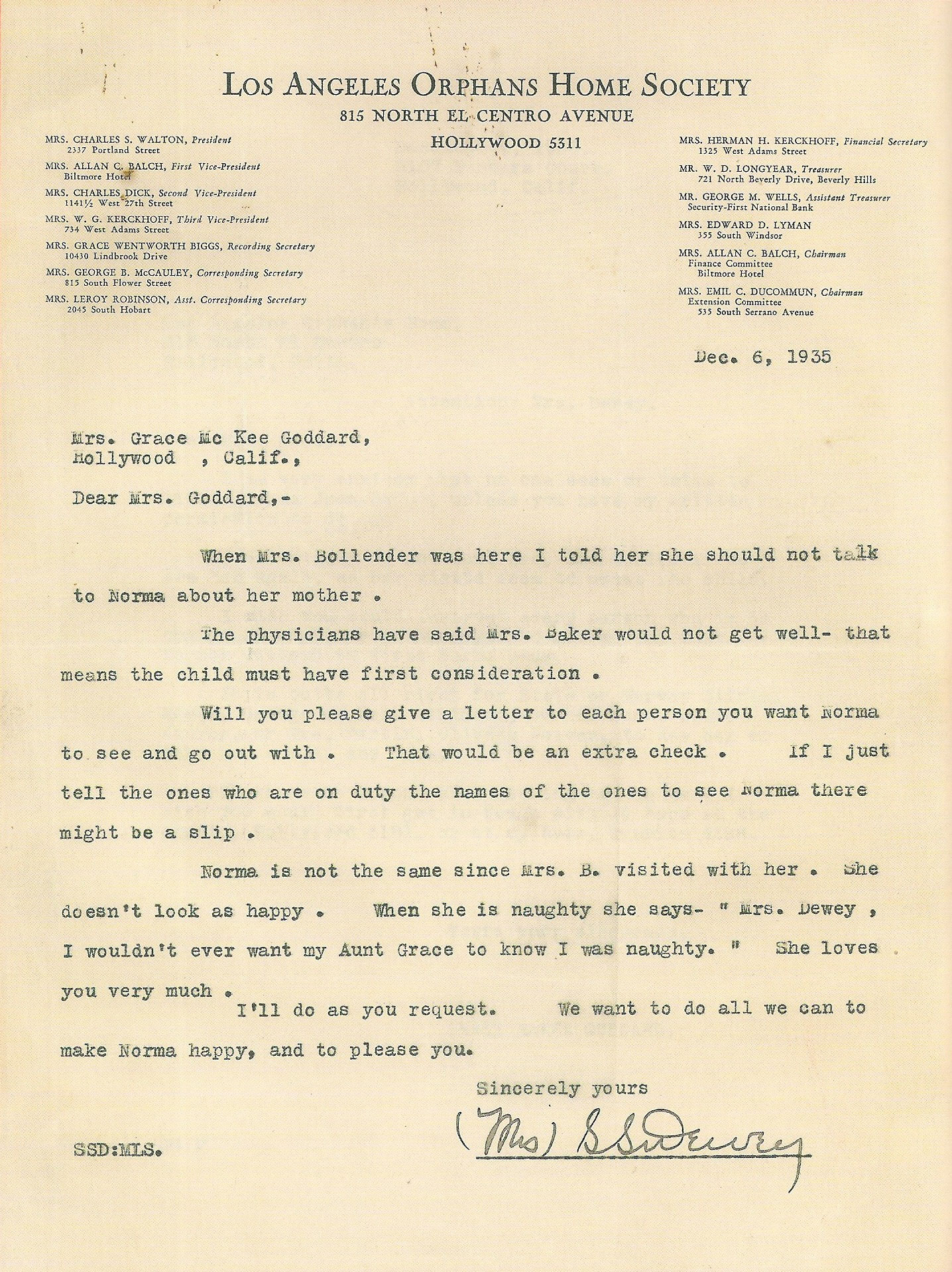
Norma Jeane was placed there on September 13, 1935, under number 3463; Grace McKee took her there.
That was the process to follow so Grace could obtain Norma Jeane's guardianship, which became official on March 27, 1936.
After a year at the orphanage, Grace took Norma Jeane out in October 1936.
documents 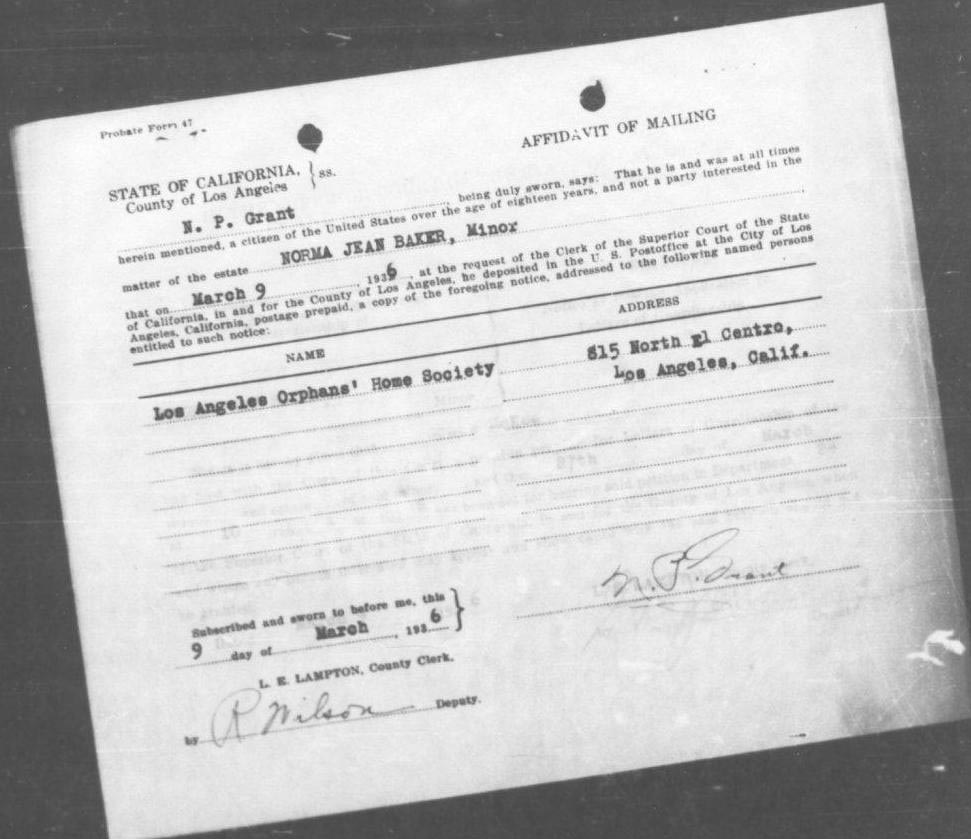 ;
;
The different sources (including Marilyn's one) give
very different descriptions of the orphanage, from an institution in
the Dickens style where the horror reigned to an institution
particularly well kept for the time.
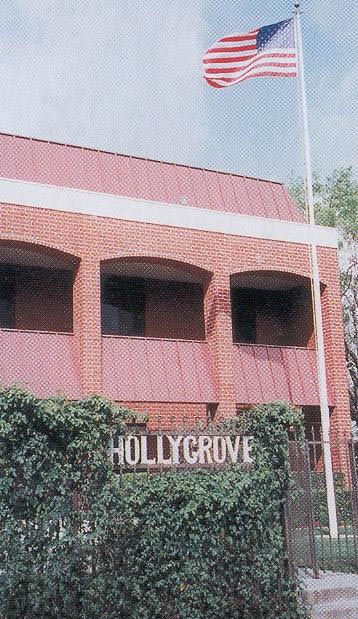
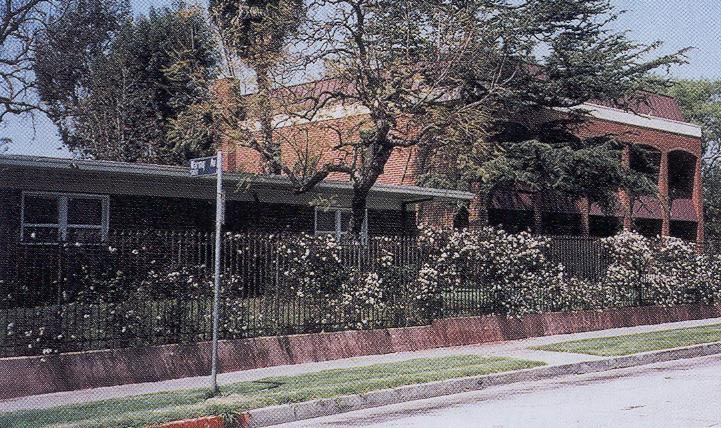
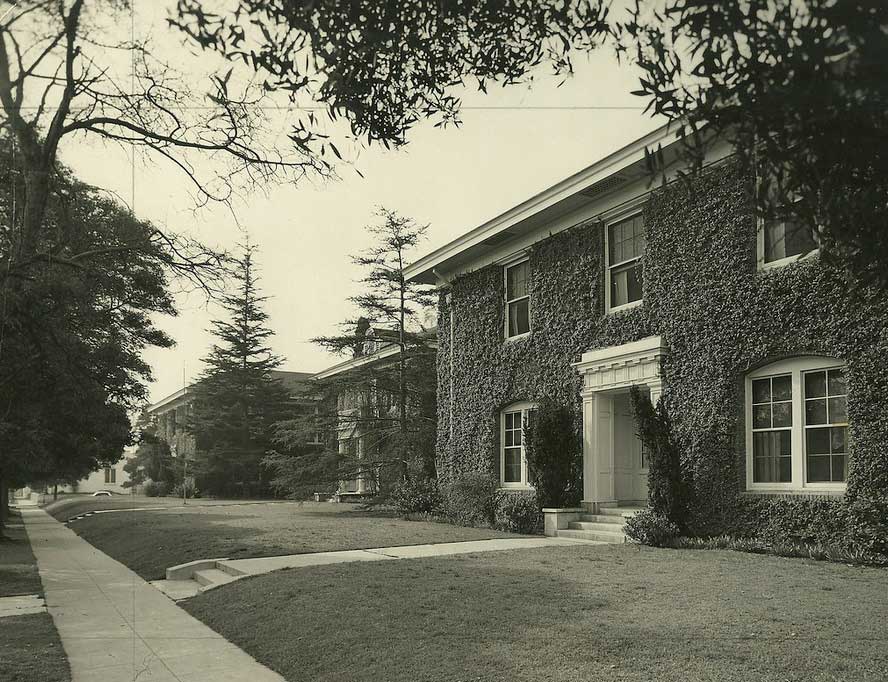
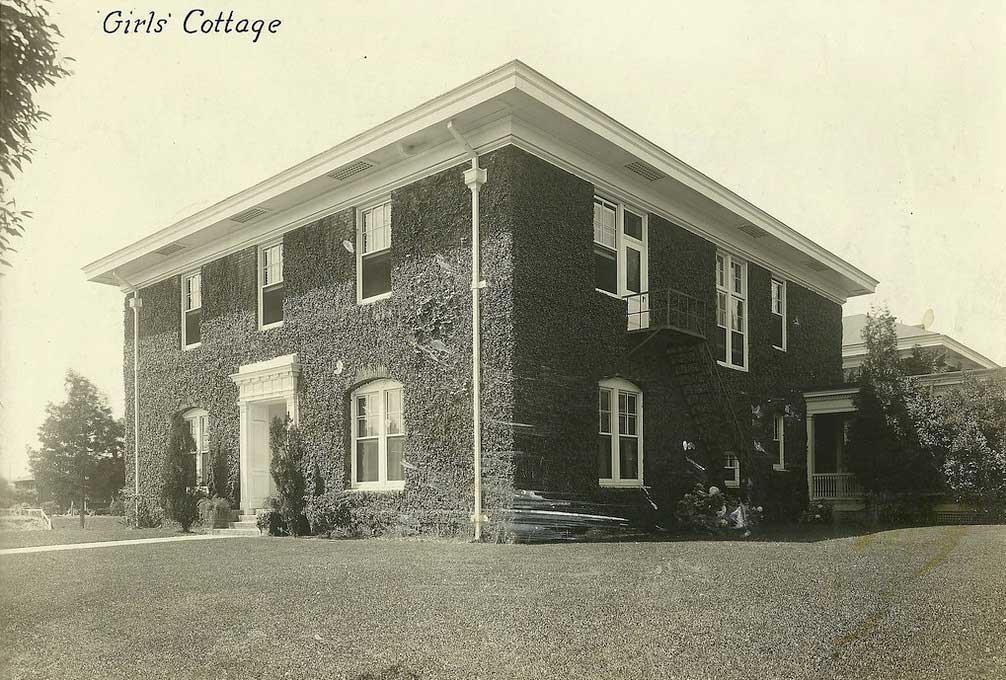
The building itself was a big red
brick house, comfortable and spacious, which dated from the colonial era.
Inside, there was a big playroom with a radio, a gramophone, toys and games. There was also an auditorium with a stage. The children played in plays and musicals; there are no trace that Norma Jeane would have played in one of them.
Some of the boarders still had their parents : in the 20's, a well third of them were runaway children, or street children "forgotten" by poor people or immigrants unable to feed a descendance they hadn't always wanted.
In the 30's, the poor parents could ask for a temporary housing for their children. Those ones, as Norma Jeane, were "temporary" occupants or "students".
The girls and the boys occupied separate wings of the building. They lived in clean and tidy rooms they shared with 4, 5 or 6 of their comrades.
Norma Jeane's room overlooked the water tower of the RKO studios.
Some employees crews took care of the meals and of the cleaning of the institute, but, to develop their sense of responsability, the children received 5 or 10 cents a week in exchange for housework, allocated according to the age and the physical condition of everyone.
The leaders of the orphanage, while encouraging the children to attend the Sunday Mass, didn't lay down any religious rule.
She learned swimming during her stay and belonged to the soft-ball team.
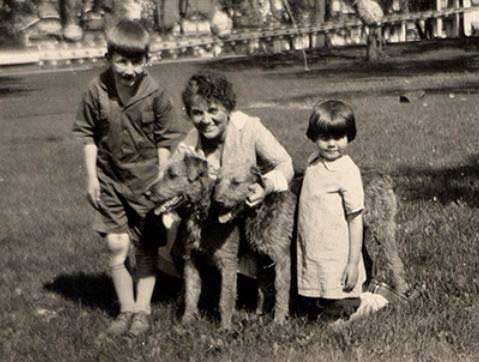 ,
, ) wrote down in her file : "If she is not approached
in a reassuring and patient way (..), she looks terrified. I recommend
to place her in a protective family".
) wrote down in her file : "If she is not approached
in a reassuring and patient way (..), she looks terrified. I recommend
to place her in a protective family".The biographers tell that Mrs Dewey went as far as adapting the orphanage rules to Norma Jeane needs.
She allowed her to settle in her office to put some make-up on her,
which Marilyn would later rememeber with emotion. She didn't tell her
off when she came back late a Saturday evening, covered by a coating of
cosmetics.
Marilyn told later that during her stay, she had found refuge in an imaginary world.
Ten years after her leaving, Mrs Dewey wrote down
in her file : "Norma
Jeane Baker wins a certain success in cinema and promises to become a
star. She is so beautiful and has taken as actress name Marilyn Monroe".
 BACK TO INDEX
NEXT FILE
BACK TO INDEX
NEXT FILE